WEST NILE SPORTS OFFICERS UNDERGO TENNIS TRAINING TO PROMOTE IT AS A SECONDARY SCHOOL SPORT
BY ABIYO DENNIS
Arua City, Uganda — Sports development in the West Nile region has received a major boost as sports officers from different districts successfully completed an intensive tennis training program aimed at introducing and strengthening tennis as a secondary school sport.
The training, coordinated through the office of the Sports Department in Arua City, brought together sports officers from across the West Nile districts including Arua, Nebbi, Yumbe, Zombo, Koboko, Madi-Okollo, Pakwach, and Terego.
The program focused on equipping officers with technical skills, rules of the game, coaching basics, and strategies for developing tennis at school level.
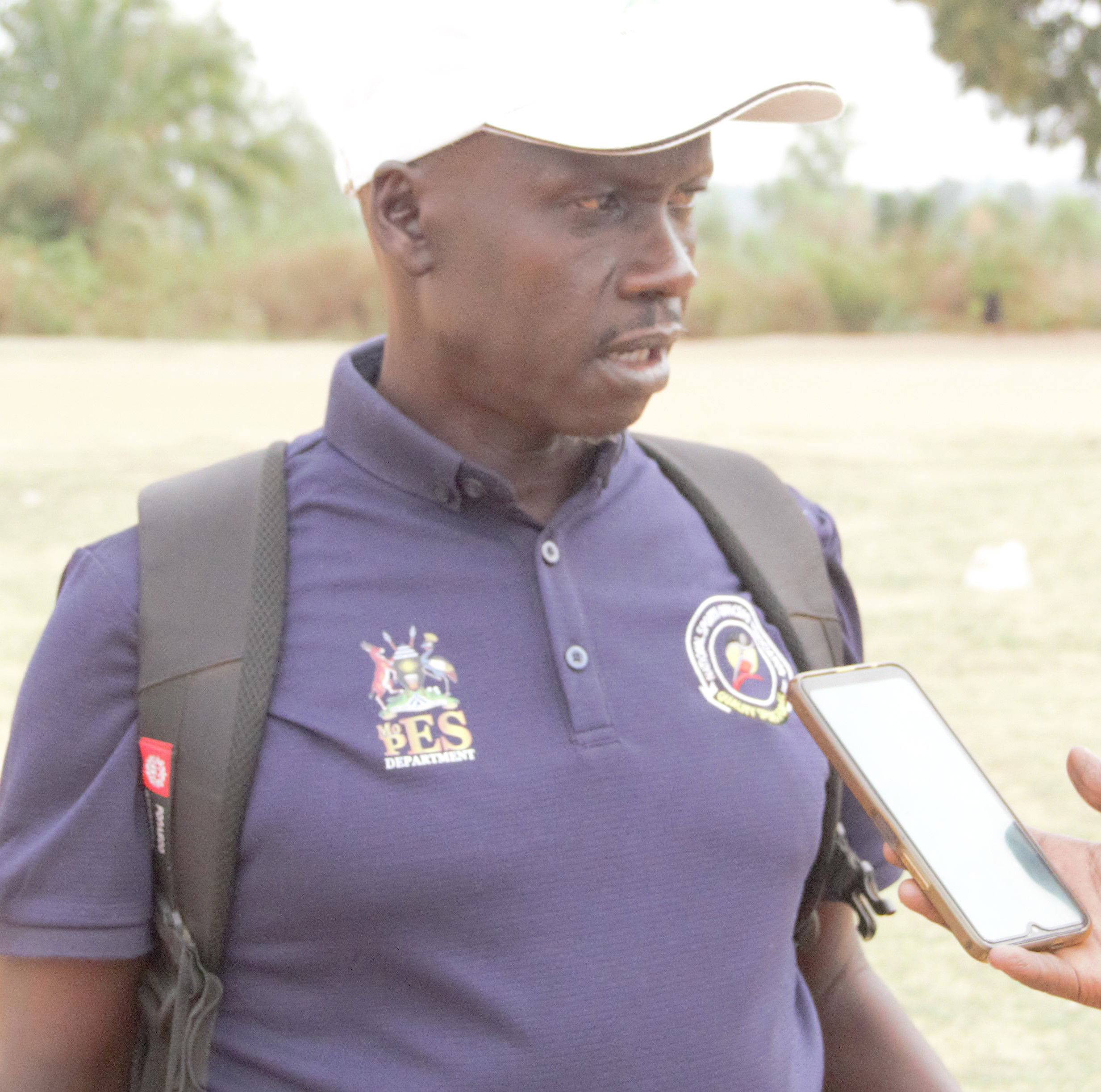
Speaking during the training, Lika Moktar the West Nile Sports Officer emphasized that the main objective is to make tennis one of the recognized secondary school sports in the region. “Our goal is to expand sports opportunities for students beyond the traditional games like football and netball.
Tennis has great potential to develop discipline, concentration, and international competitiveness among learners. By training district sports officers, we are preparing them to go back and introduce structured tennis programs in secondary schools.
” The officer added that many schools lack trained personnel to guide learners in tennis, which has limited the sport’s growth in the region. The training is therefore a foundational step toward integrating tennis into inter-school competitions.
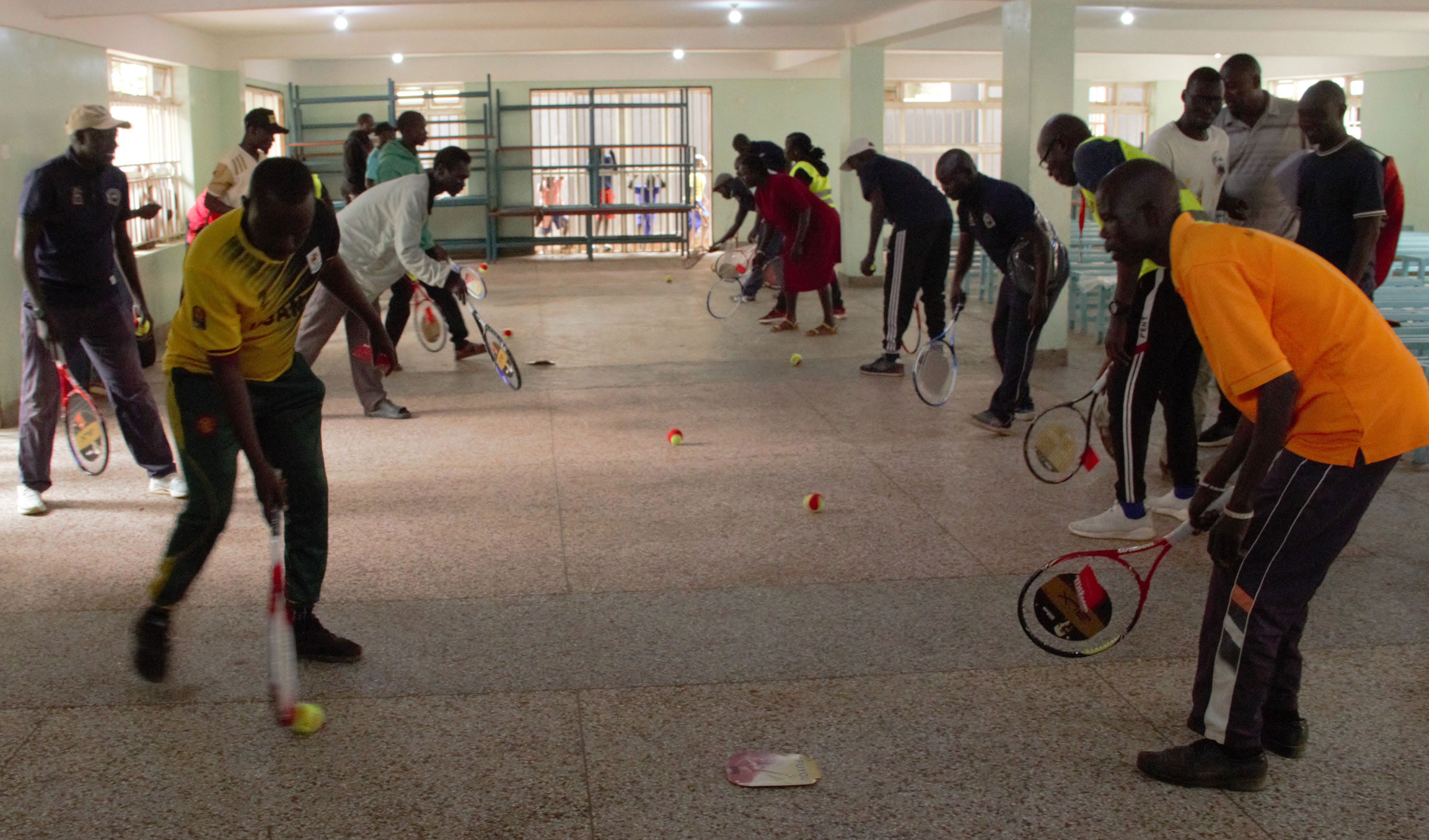
Sports officers from various districts welcomed the initiative, describing it as timely and transformative. Representatives from Arua, Nebbi, Yumbe, Zombo, Koboko, Madi-Okollo, Pakwach, and Terego actively participated in practical sessions, learning modern coaching techniques and match officiating. One of the district sports officers noted:
“This training has opened our eyes to the opportunities tennis can bring to our students. We are committed to mobilizing schools and ensuring equipment and courts are gradually made available.”
The long-term vision of the program is to see tennis included in secondary school sports calendars across West Nile and eventually have talented players represent the region at national school competitions.
Organizers believe that with consistent training, mentorship, and support from education stakeholders, the sport will steadily grow in popularity. Local education authorities have also pledged to support the initiative by encouraging schools to allocate time and space for tennis development.
The tennis training for West Nile sports officers marks a significant step toward diversifying sports in the region’s secondary schools. By building the capacity of district sports leaders, West Nile is laying the foundation for a new generation of tennis players.
With commitment from schools, sports administrators, and the community, tennis could soon become a vibrant and competitive secondary school sport in the region, opening doors for young talent to shine both nationally and beyond.

