Legislators Urged to Prioritise Funding to Curb Malaria
Stakeholders in the fight against malaria have called on Members of Parliament to prioritise malaria prevention and control in the upcoming national budget cycle.
The appeal was made during a high-level advocacy engagement on gender-responsive malaria and health services, held on Tuesday, 18 November 2025, at the Parliament Conference Hall.
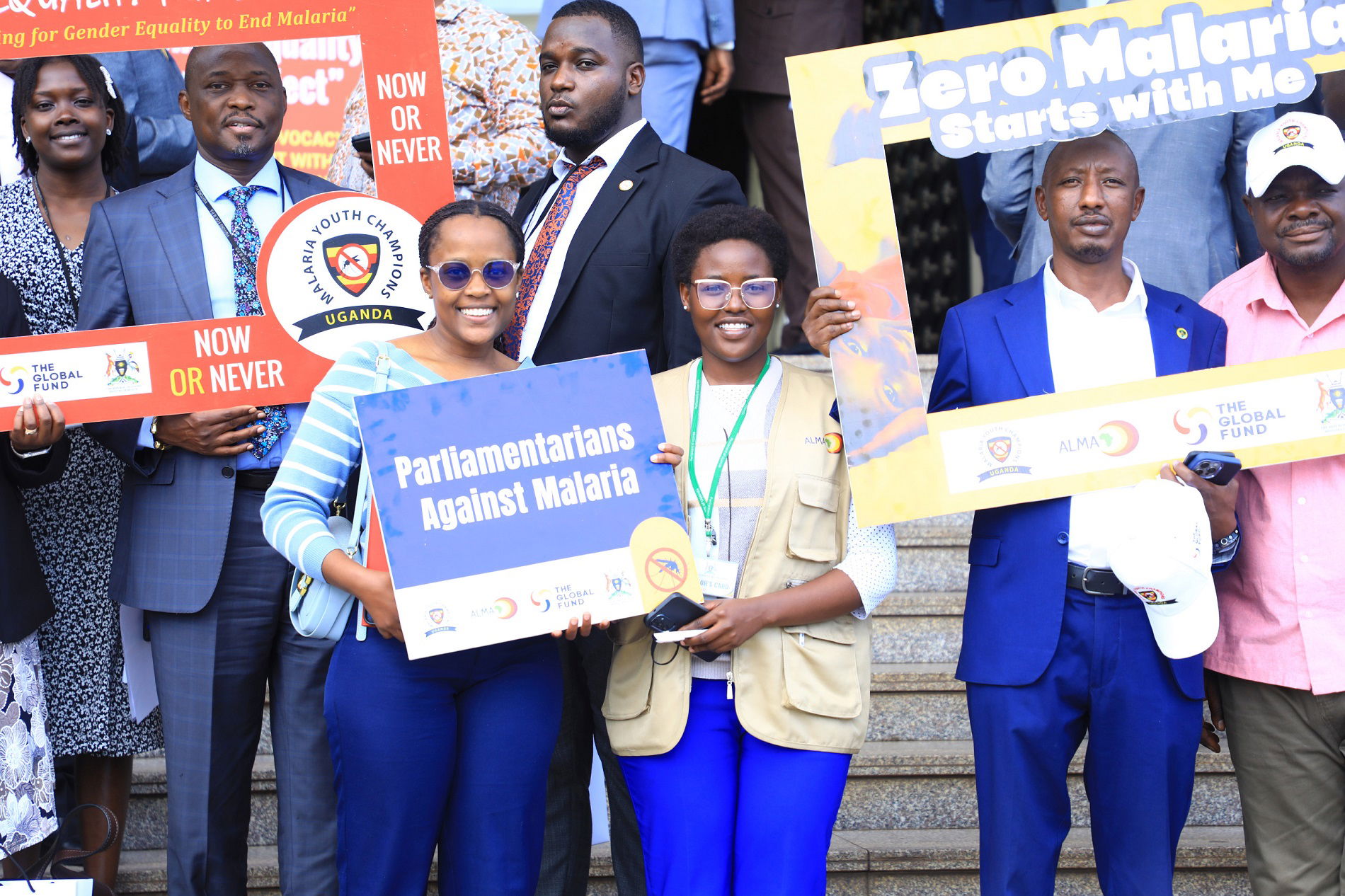
Legislators
Peter Mbabazi, Board Chairperson of the Malaria Youth Champions Uganda (MYCU), urged legislators to amend the Public Finance Management Act (PFMA) to make malaria prevention a key consideration for budget approval. He noted that recent cuts in donor funding have significantly affected malaria-elimination interventions, stressing the need for increased domestic financing through the malaria prevention and control code.“Malaria is no longer just a health issue, but a development issue. Members of Parliament are directly affected when their constituents suffer or die from this disease. Uganda can no longer rely on donor aid—we must prioritise local funding,” Mbabazi said.He further highlighted the need to strengthen ambulance services in rural communities to ensure timely access to medical care during emergencies.“Our people are dying because of delays between the onset of malaria and access to treatment. As you deliberate on the next budget, consider allocating more ambulance units and fuel to keep them running,” he added.A Gender Equality Fund (GEF) community scorecard presented at the workshop revealed major gaps in ambulance management, inconsistent availability of prescribed medicines at health facilities, and slow responsiveness to community health needs. The findings were based on data from communities around Nakavule Hospital and Nalugai Health Centre III in Iganga and Bukedea districts.Dr. Hilda Namuddu, Team Lead at MYCU, said the scorecard is intended to enhance data visibility and strengthen accountability mechanisms to guide targeted interventions against malaria.“There are challenges in communities that we cannot address alone. We need the support and involvement of our Members of Parliament,” Dr. Namuddu stated.Hon. Emmanuel Otaala (NRM, West Budama County South) noted that the Ministry of Health must deploy multiple strategies to curb malaria, beyond the existing treatment and prevention methods. He emphasised the need to restore public confidence in government health facilities, as many patients opt for expensive private healthcare.Rukungiri Municipality MP, Hon. Elisa Rutahigwa, commended the efforts of the Malaria Youth Champions and encouraged them to continue engaging Parliament through its various channels.“The challenges highlighted today have been persistent. The youth can strengthen advocacy by petitioning Parliament on issues such as health insurance and increased health funding,” Rutahigwa said.Bwamba County MP, Hon. Richard Gafabusa, also urged government to learn from countries like the United States, which have made significant progress in eliminating malaria.
BY: Abiyo Denis - CC: POU

