Aringa Cultural Festival Team Engages Community and Leaders in Dialogue
BY ABIYO DENIS
The Aringa Cultural Festival organizing team has held a community dialogue aimed at strengthening unity and addressing key issues affecting the Aringa people. The dialogue brought together various stakeholders, including cultural leaders, local government officials, political leaders, and members of the Aringa community.
The Aringa Cultural Festival is one of the newly established cultural celebrations in the West Nile region. Now in its second edition, the festival has played a significant role in uniting the Aringa community from different parts of Uganda and the diaspora.
Organizers say the festival has become an important platform for preserving cultural identity and fostering collective development. During the community dialogue, prominent leaders from the Aringa cultural institution and local government discussed issues related to cultural leadership, governance, social cohesion, and community development.
Speaking at the event, the Assistant Chief Administrative Officer (CAO) for Yumbe District, Mr. Isosiga Sulai, who represented the Chief Administrative Officer, emphasized the importance of organized cultural institutions. He noted that having recognized cultural leadership structures enables communities to access government support and development opportunities.
According to him, well-organized cultural institutions can effectively partner with government in promoting peace, development, and service delivery.
The Prime Minister of the Aringa Kingdom, Mr. Lemeringa Fadhil, highlighted the historical origins of the Aringa people and the journey toward establishing a recognized cultural institution. While addressing the gathering, he called upon the Aringa community to support the cultural institution, noting that it currently lacks sufficient financial and logistical backing.
He stressed that the sustainability of the Aringa Kingdom depends largely on the collective commitment of its people.
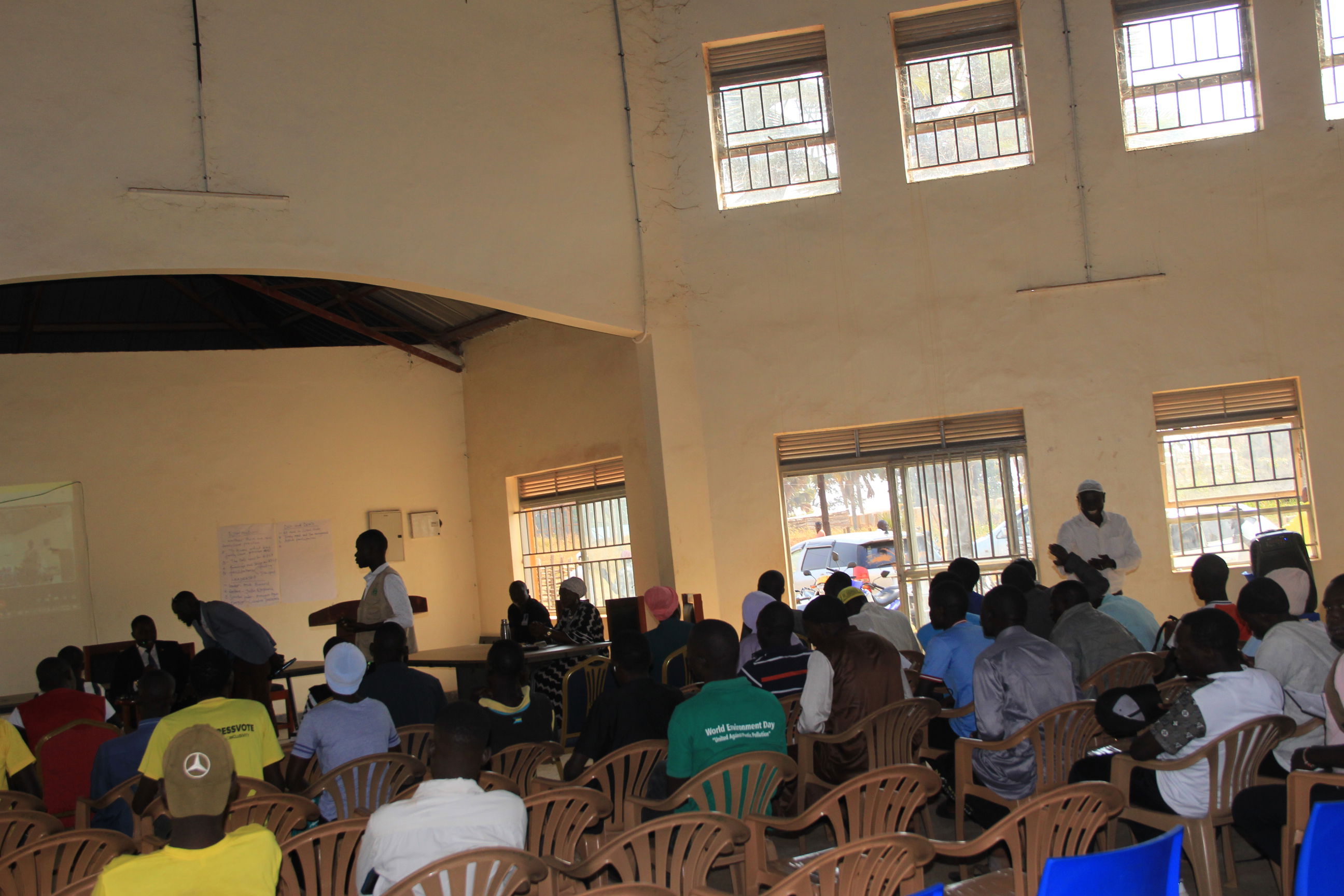
The Minister for Gender in the Aringa Kingdom, Ms. Charity Faridah, raised concerns about past social challenges within the community. She pointed out that historical discrimination contributed to gender inequality and gender-based violence. She urged community members to use the cultural platform to promote gender equality, protect women and girls, and foster inclusive development.
The community dialogue underscored the growing importance of the Aringa Cultural Festival as more than a celebration of culture, but as a unifying platform for dialogue, leadership, and development. Participants agreed that strengthening cultural institutions, promoting unity, and addressing social challenges such as gender-based violence are key to the progress of the Aringa community.
As the Aringa Cultural Festival continues to grow, leaders and community members expressed hope that it will serve as a catalyst for cultural preservation, social harmony, and sustainable development in the West Nile region and beyond.

