Alur Kingdom Calls for Revival of Kaoi Pa Aradu to Tackle Teenage Pregnancies
The Alur Kingdom is calling for the revival of traditional youth fireplace gatherings, known as Kaoi Pa Aradu, as part of efforts to strengthen conversations between young people, parents, and elders and address teenage pregnancies in Nebbi District.
Kaoi Pa Aradu, which translates to “The Youth Fireplace,” was traditionally a space where young people and elders gathered in the evenings to discuss issues including relationships, sexuality, behavior, and moral growth.
The practice has, however, become less common, with cultural leaders attributing its decline to changing lifestyles and cultural erosion.
The call to revive the gatherings was made during a Kaoi Fireside Conversation held at Kaal Pawong Palace in Alur Kingdom on September 22, under the theme “Culture, Identity and Power to Shape Young People's Future.
”The engagement was presided over by Chief Rwoth Justino Opar, Chief of Pawong Chiefdom, with remarks on behalf of the Chief delivered by the Deputy Prime Minister and Executive Director of Alur Kingdom, Prince Ochaya Orach Vincent.
Prince Ochaya said the traditional gatherings provided an opportunity for parents, elders and young people to address sensitive issues through direct conversations.
“A session like this one allows us to speak to young people together with their parents,” he said, calling for the revival of the engagements.
He argued that the traditional model could be expanded beyond Pawong, noting that all 56 chiefdoms in the Alur Kingdom could benefit from such engagements.
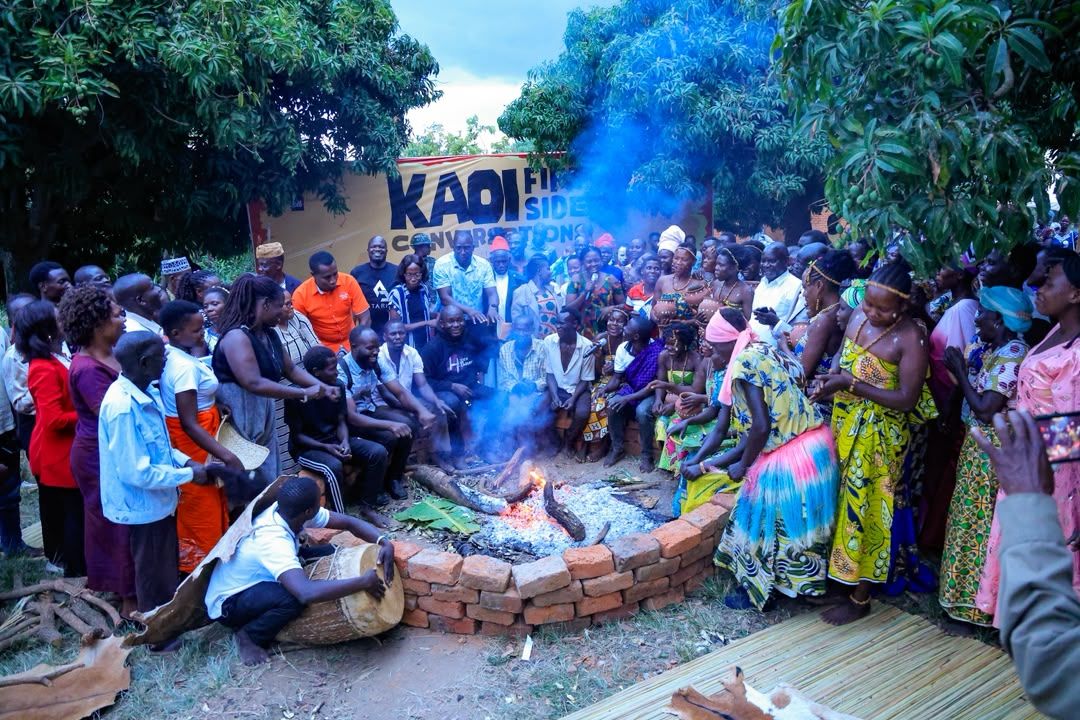
For community leaders, reviving Kaoi Pa Aradu is not simply about returning to an old cultural practice, but creating spaces where young people can openly discuss issues affecting their lives.Japierwo Ronnie, LC III Chairman of Central Division in Nebbi District, said the fireside reminded communities of the role such gatherings once played in bringing people together.
He also pointed to the influence of modern technology on young people, saying community conversations remain important in addressing issues affecting adolescents.
According to Japierwo, an average of at least two per cent of girls become pregnant each year across six schools in Central Division, although the statement did not provide further details on the source or methodology behind the figure.
Meanwhile, Albert Ongom, Programme Officer at Reach A Hand Africa in Nebbi District, said teenage pregnancy remains a significant concern and is also linked to increasing HIV risks.
He said the fireside was intended to help communities examine how traditional systems previously handled issues affecting young people and identify lessons that could be adapted to today's context.
While participants supported stronger dialogue between parents and young people, some youths said the quality and manner of these conversations also matter.
Onyuthi Brian, a youth participant, said some young people struggle to engage with their parents because of the way sensitive discussions are sometimes approached.He said harsh or confrontational communication can discourage young people from opening up to their parents.
The discussion also identified parental neglect and the exclusion of persons with disabilities from conversations on sexual and reproductive health and rights as issues requiring attention.This suggests that reviving traditional dialogue spaces alone may not address all the factors contributing to teenage pregnancies. Participants also emphasised the need for more inclusive and constructive communication between parents, elders and young people.
The call comes against a wider national concern about teenage childbearing.According to the 2022 Uganda Demographic and Health Survey, 23.5 percent of girls aged 15–19 had already begun childbearing. Of these, 18.4 percent had had a live birth, while 5.1 percent were pregnant with their first child.
The survey also found that the proportion had remained relatively unchanged for more than 15 years, fluctuating between 24 and 25 percent between 2006 and 2022.
By age 18, the survey found that almost four in every ten girls aged 15–19 had begun childbearing. For the Alur Kingdom and its partners, the challenge therefore requires conversations that connect culture with the realities facing young people today.
The Kaoi Fireside Conversations were organized under the Protect SRHR project, implemented by a consortium including Reach A Hand Africa, the International Rescue Committee, Humanity & Inclusion, and World Vision, with support from the Embassy of the Kingdom of the Netherlands.
The initiative is seeking to draw lessons from traditional community practices while creating platforms where young people, parents, cultural leaders, and other stakeholders can discuss sexual and reproductive health and rights.
For the Alur Kingdom, the proposed revival of Kaoi Pa Aradu is ultimately about rebuilding a space for dialogue—while ensuring that the conversations respond to the realities young people face today.
What do you think? Can reviving traditional youth fireplace gatherings help reduce teenage pregnancies in West Nile? Share your views in the comments.
DailyWestNile will continue to follow community-led initiatives addressing teenage pregnancy, youth wellbeing, and sexual and reproductive health across West Nile.

